Lyrics
You say I'll never change
I'm just a go around town with some gasoline
Just tryin' to bum a flame
Gonna burn the whole place down
And how do you explain
Ever fallin' in love with a guy like me in the first place?
Then turn around say that I'm the worst thing
I guess I'm the problem
And you're Miss Never do no wrong
If I'm so awful
Then why'd you stick around this long?
And if it's the whiskey
Then why you keep on pullin' it off the shelf?
You hate that when you look at me, you halfway see yourself
And it got me thinkin'
If I'm the problem
You might be the reason
Try to go our separate ways
We're back and forth like a swingin' door
And tomorrow's like yesterday
Some days better than the night before
And you're back with me again
Then you go and tell your friends
That I'm the problem
And you're Miss Never do no wrong
If I'm so awful
Then why'd you stick around this long
And if it's the whiskey
Then why you keep on pullin' it off the shelf?
You hate that when you look at me, you halfway see yourself
And it got me thinkin'
If I'm the problem
You might be the reason
If I'm such a waste of breath
Such a waste of time
Then why you on your way to waste another Friday night?
If I'm the problem
And you're Miss Never do no wrong
If I'm so awful
Then why'd you stick around this long
And if it's the whiskey
Then why you keep on pullin' it off the shelf?
You hate that when you look at me, you halfway see yourself
And it got me thinkin'
If I'm the problem
You might be the reason
Q & A
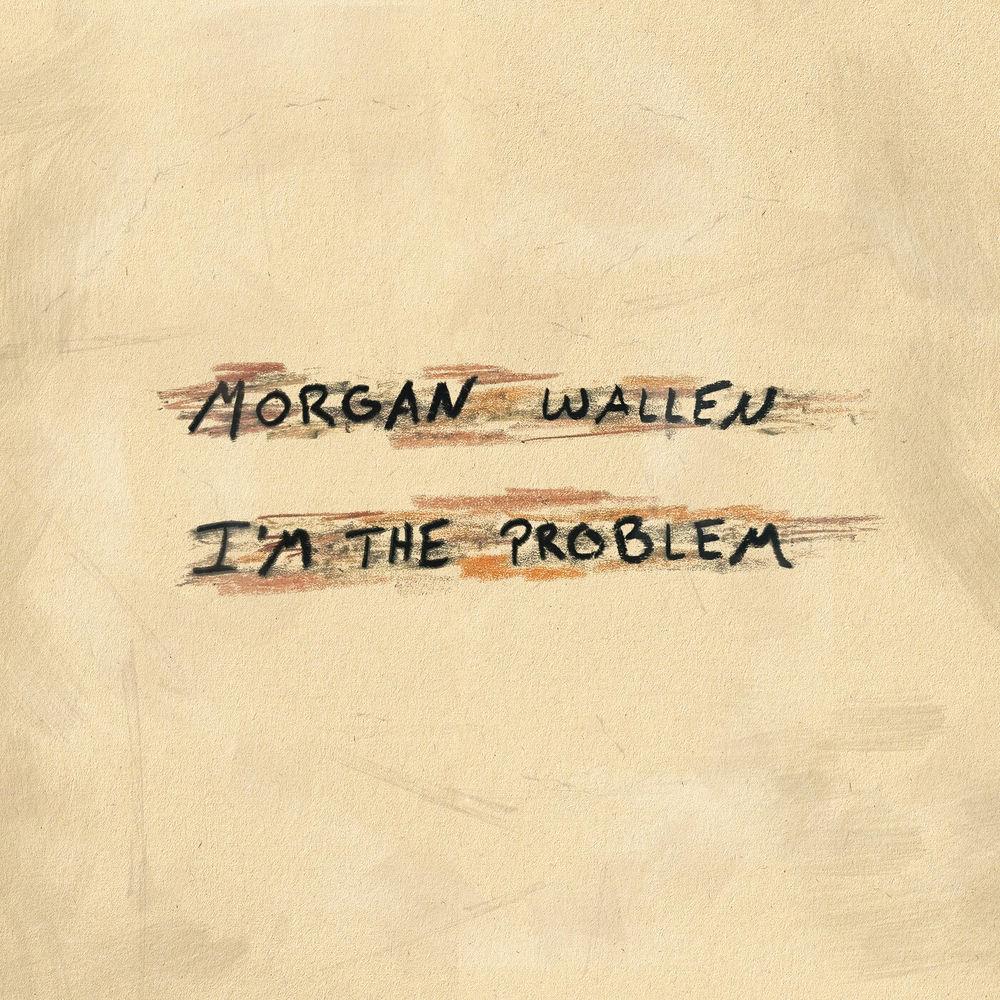
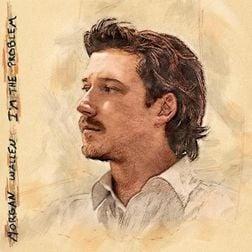
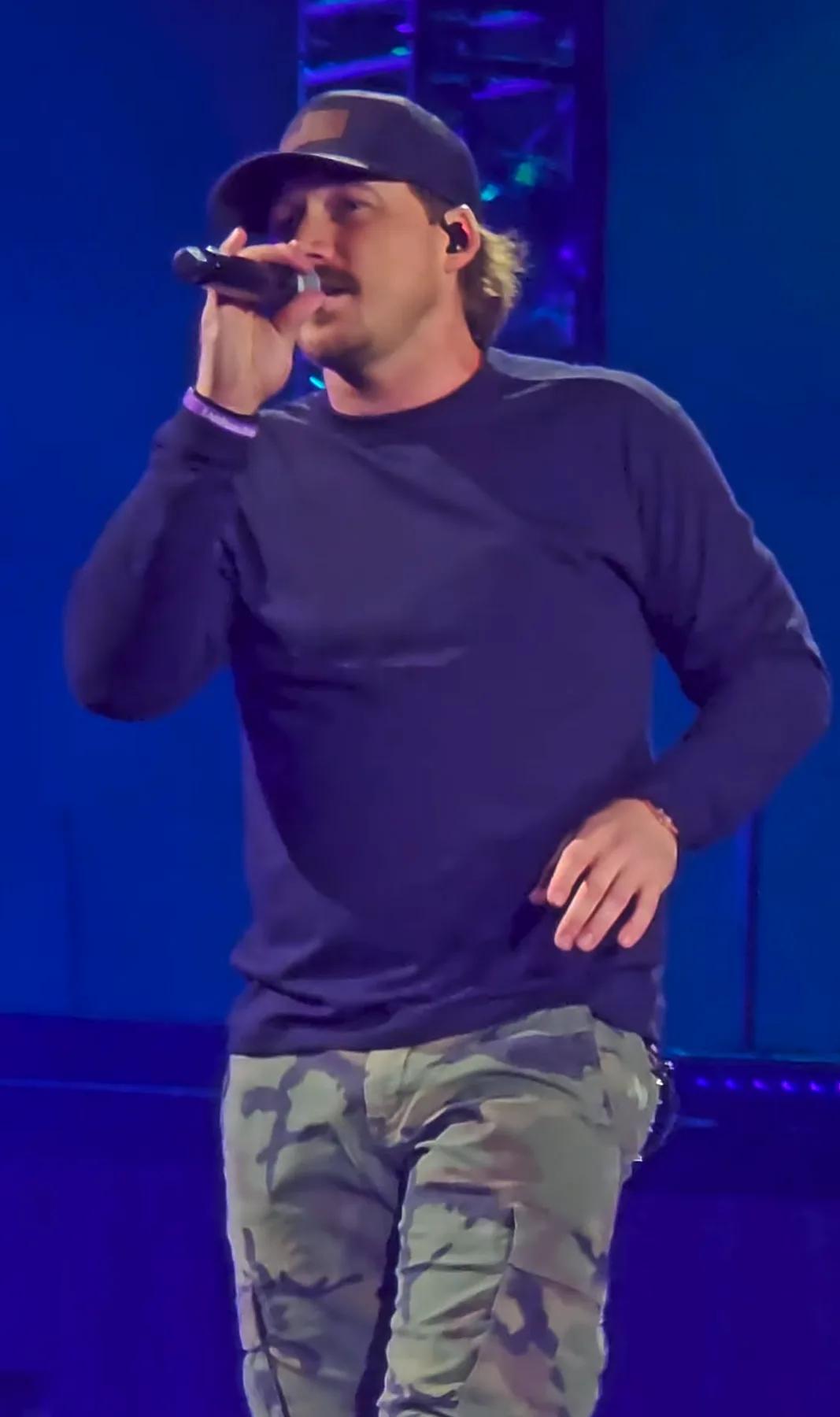
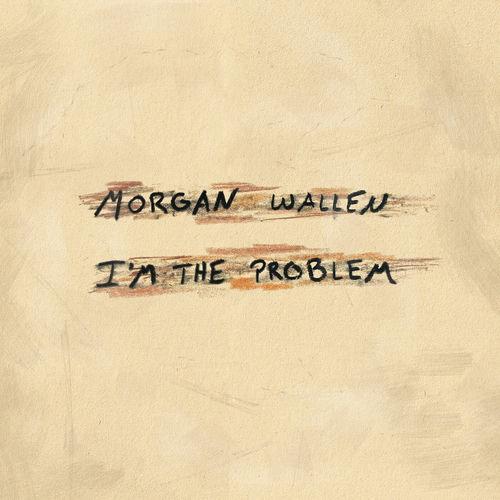
Who is the artist of "I'm the Problem"?
Morgan Wallen
When was "I'm the Problem" released?
2025-01-31
What album includes "I'm the Problem"?
I’m The Problem
Where can I listen to "I'm the Problem"?
What is the meaning of "I'm the Problem"?
Stay tuned! We're working on an explanation for this song.